Derawan Islands
Derawan Islands
Scuba diving in the Derawan Archipelago, the untamed territories of the remote Indonesian Borneo
The Derawan Islands Group is another of Indonesia’s underrated hidden gems, offering both experienced and novice aquanauts a diving destination with fascinating underwater life. In fact, the Derawan Islands are home to whale sharks, hammerhead sharks, thresher sharks, leopard sharks, dolphins, dugongs, schools of barracuda, and a dozen or so underwater caves to explore. And not far from there, the rainforest of Indonesian Borneo is home to orangutans and other primates that will amaze you if you extend your trip to visit them on a river cruise.


DIVING IN INDONESIAN BORNEO
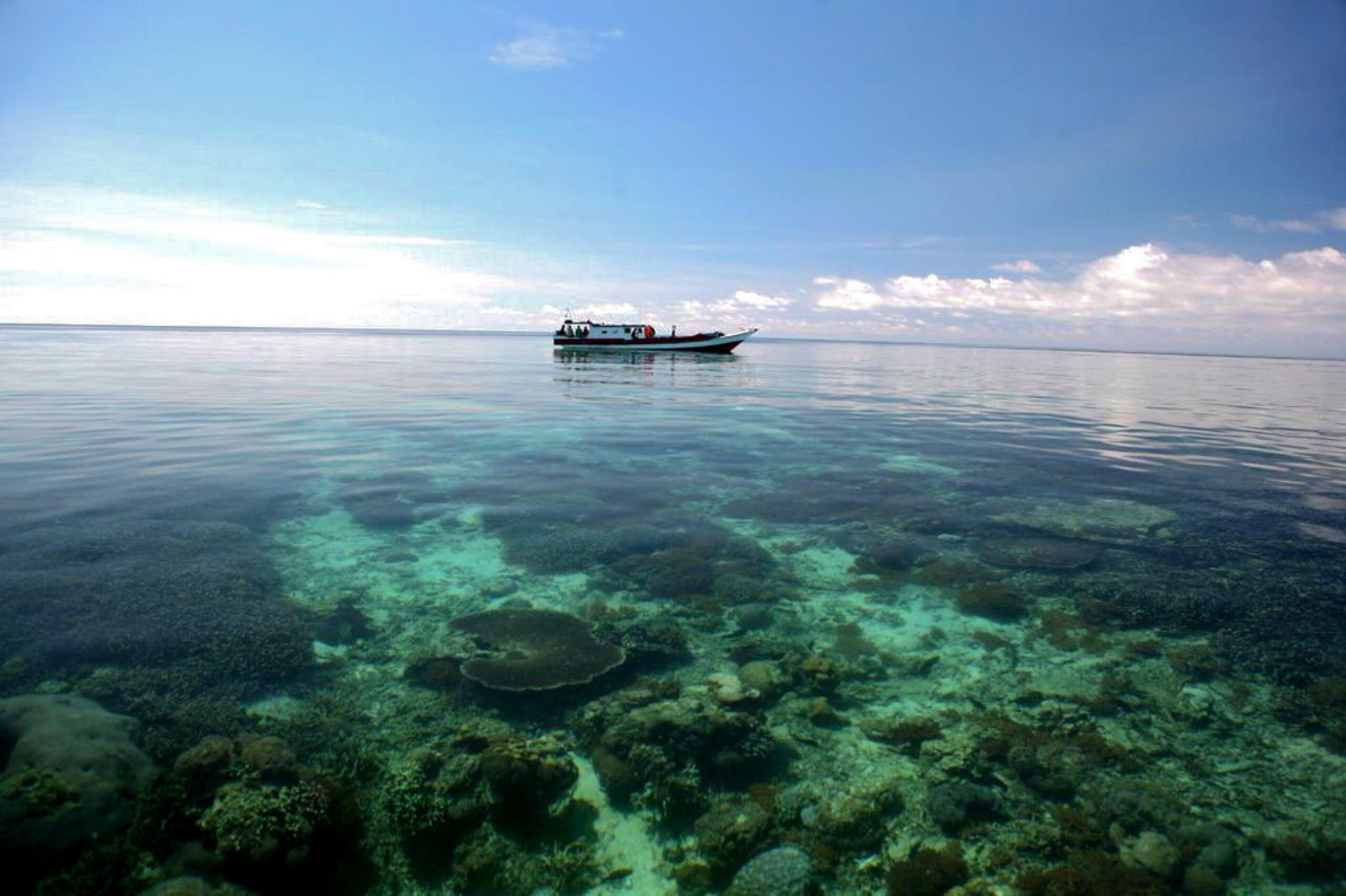
The northern part of East Kalimantan (East Borneo) is one of the most uncharted areas. In this untamed and remote territory, located off the east coast of Indonesian Borneo, are the 31 islands of the Derawan Island Group.
The Arcipelago of Derawan ranks second only to Raja Ampat in coral diversity, with over 460 species. While Derawan is best known in the diving world for its manta rays and whale sharks, there are actually over 870 species of fish inhabiting this region.
Derawan is far removed from the tourist routes, and you’ll rarely encounter other divers, but large schools of fish, manta rays, whale sharks, thresher sharks, leopard sharks, hammerhead sharks, and numerous sea turtles, as well as rare creatures and small invertebrates in other regions of Indonesia. In Kakaban, you’ll also have the rare opportunity to capture fantastic underwater photographs in a lake teeming with non-stinging jellyfish. And of course, you can swim at exotic, dreamlike beaches in Maratua and with manta rays in Sangalaki.
Dive Cruises in Derawan Islands
Some liveaboards are starting to plan cruises to the Derawan Archipelago even in the months of July and August, as an alternative to the Komodo Archipelago’s high season: Ondina, Seahorse, Damai, Gaia, Ilike, and Raja Ampat Aggressor, which has already operated in Derawan for some years.

Make the most of your diving experience in the remote Derawan Islands with a dive cruise, contact a Liveaboard Specialist now
Dive Resorts in Derawan Islands
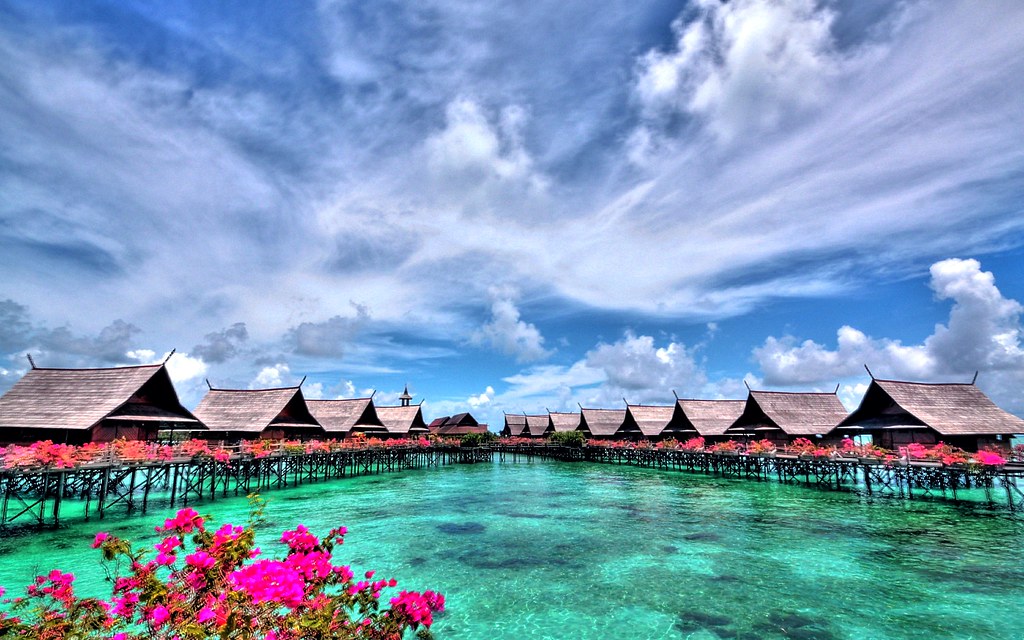
The archipelago of Derawan is still among the most exotic and remote diving destinations in Indonesia, accessible from liveaboard or from one of the three diving resorts operating in the region: Nabucco Island Resort, Nunukan Island Resort or Virgin Cocoa Resort, of which we leave you some images:


Dive, snorkel or swim from a secluded resort of exotic and dreamlike beaches in Derawan Islands, contact a Dive Specialist now
DERAWAN ISLAND
Derawan is where most of the tourist facilities are located. The bottoms are often grassy and attract giant tortoises, which are easily spotted in shallow water. The dives are particularly dedicated to the macro blue-ringed octopus, ghost pipefish, nudibranchs, seahorses, but also lobsters, cuttlefish, and moray eels. On request, there is an optional dive or snorkeling tour to the whale shark’s place.


KAKABAN ISLAND
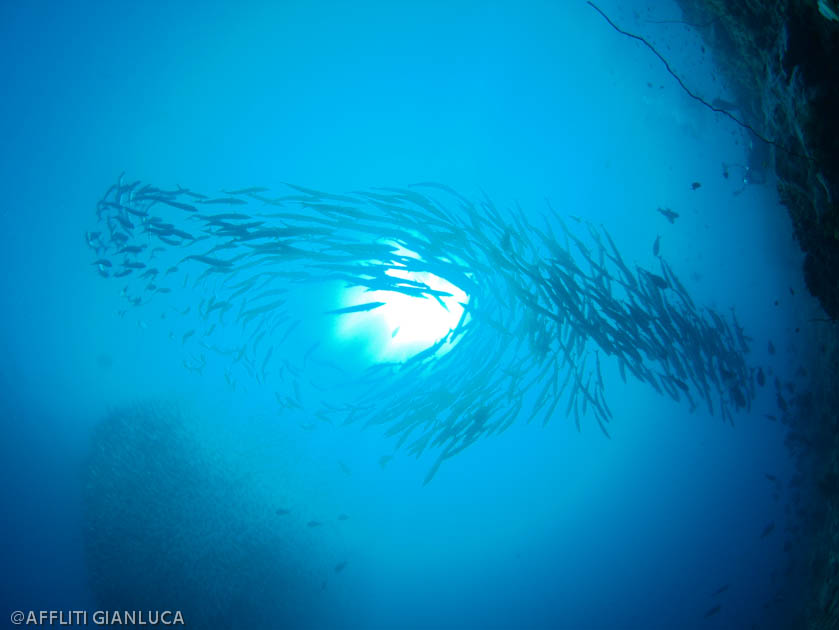
The island is quite steep on limestone cliffs covered in dense jungle right down the to water’s edge. Barracuda Point is a steep wall where the current brings large pelagic like sharks, jacks, tunas, snappers, trevallies, and of course, a large school of barracudas.
A special feature of Kakaban is the huge jellyfish lake, a mangrove-fringed lake, slightly above sea level, where thousands of non-stinging jellyfish live. The jellyfish consist of four different species. They are non-stinging, having lost their natural defence system because of the lack of major predators in the lake. This place is similar to Jellyfish Lake in Palau, Micronesia.
The Kakaban Lake has warm brackish water, and the bottom is covered with marine green algae. Other animals are living here, some sea cucumbers, gobies, anemones, tunicates, crustaceans, nudibranchs, orange, purple, and yellow clams on the branches, and snakes. The lake is at most 17 meters deep, and visibility is not so good.


SANGALAKI ISLAND
A shallow lagoon surrounds Sangalaki, and the reef starts a distance out from the island, dropping from 3 to 40 meters at some points. The island itself is known as a feeding ground for manta rays. There are well-known manta ray congregations in the northeastern part of the island. Here, manta rays come from all directions, their wing tips breaking the surface at regular intervals, and circle you.
As manta rays prefer to swim close to the surface, snorkeling is also a good way to interact with them. Manta rays congregate here in large numbers, feeding on plankton or roaming at special cleaning stations. Sometimes there might be as many as 20 mantas hovering over the cleaning station.


In Sangalaki’s southwest, there are other good dive sites with hard and soft corals, gorgonians, colourful fish life, and turtles. There is a good place for gobies, scorpionfishes, clownfishes, jawfishes, nudibranchs, frogfish, mandarin fish, and ribbon eels, as well as tridacna or giant clam.
Sangalaki is a breeding ground for green turtles. At night, female turtles come ashore and lay their eggs, and small baby turtles can be seen regularly when they hatch. The island and its surrounding reefs are protected as a Marine Park.
MARATUA ISLAND
As Sangalaki draws attention for manta rays, Maratua does for large pelagic fish. Maratua is a large island with a massive lagoon. The island rims part of the lagoon; the rest is fringed by reefs with two small islands in the south. Maratua has several impressive drop-offs, and you will have a good chance to see large pelagic species like grey sharks, tunas, eagle rays, and schools of barracudas, trevallies, and mackerels.


The best dive site in Maratua is a big channel connecting the lagoon with the outer sea: The Pass. The channel itself is literally swept clean by the very strong currents and only the edges are covered with nice corals. The dive usually starts at the outside reef, and you are swept into the channel by the current. At the entrance of the channel, you can watch the large pelagic passing by: reef sharks, tunas and barracudas, napoleon wrasses, leopard sharks and thresher sharks.


NABUCCO ISLAND
The small island of Nabucco is located within the Maratua lagoon and hosts the dive resort of the same name. Close to The Pass, where pelagic species roam, diving also offers toadfish, scorpionfish, ghost pipefish, mandarin fish, invertebrates, and nudibranchs.


DIVING SEASON

- Diving season: from April to October is the best time, from June to August, good weather but a little rough sea
- Rainy season: from November to March
- Water temperature: around 28°C, all year around
Diving Facts
- Visibility: on average around 20 meters, but in some periods after heavy rain it can drop a lot.
- Depths: 15->35m.
- Currents: in some sites, in the Maratua pass and in Kakaban, they can be very strong; in the rest of the dives, weak.
- Surface conditions: calm, with possible waves from June to August.
- Experience level: intermediate, some drift dives are challenging.
- Dive sites: >40.
- Length of stay: 7 days on diving cruise with one of the liveaboard operating seasonally in the region. Tambora, Ondina, Seahorse, Ilike or in one of the following dive resorts: Nabucco Resort, Nunukan Resort or Virgin Cocoa.
HOW TO GET THERE
- Airport: The small Maratua airport has been in operation since 2018, served by only one charter flight per week from Balikpapan. Alternatively, you can reach the islands arriving at Berau airport, then in two hours by car and 1 hour by boat. Liveaboards embark passengers in Berau or in Tarakan.
Travel Facts
- Climate: temperatures are between 23-32°C. The climate is hot and humid all year round. The dry season runs from April to October, from November to March is the rainy season, with the months of January and February receiving the most rainfall.
- Time Zone: Borneo GMT +7.
- Transit night & connecting flight: You may need to spend one night in transit in Indonesia before and/or after your cruise, depending on your domestic and international flight schedules. We have the most competitive airfares with the most convenient flight timetables, and hotels for all budgets.
Does it seem complicated? Contact an operator who speaks your language and who can assist you in Indonesia. Feel free to contact us now!
The Other Borneo: Scuba Diving in the Malaysian Borneo
The pearls of Sabah: Mabul, Kapalai, and Sipadan reserves for divers and snorkelers, exotic holidays, and interesting marine life. The ideal period to visit them is from May to November. The wet season, particularly January, can bring rough seas and some storms.
The Colors of Borneo Diving